Counsel for Two Nations: How Pakistani-American Legal Minds Are Quietly Shaping America's Foreign Policy Landscape
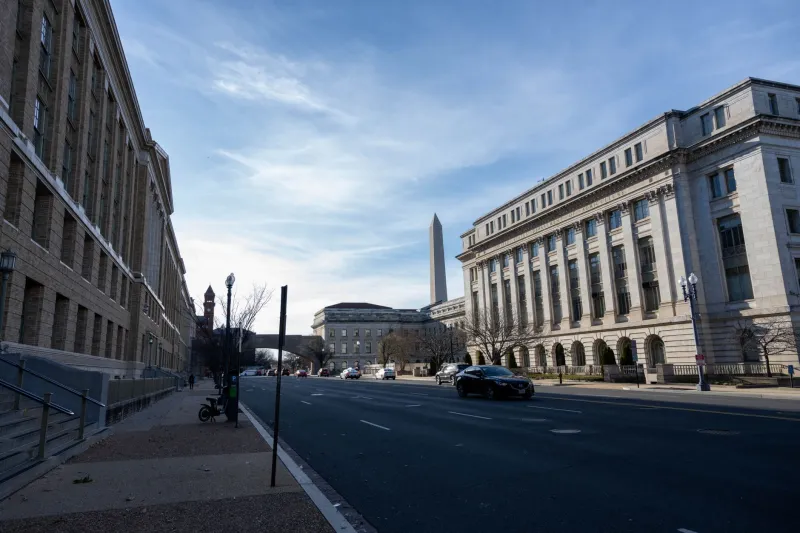
Washington, D.C., operates on the currency of expertise. In a city where policy is drafted in conference rooms and argued before federal courts, the professionals who command both legal precision and cross-cultural fluency hold a rare and consequential advantage. Increasingly, that advantage belongs to a generation of Pakistani-American attorneys who have built careers at the precise intersection of law, diplomacy, and international affairs.
They are not always visible at press conferences or in Senate hearing rooms. Yet their fingerprints appear on immigration reform proposals, trade frameworks governing South Asian commerce, and legal opinions that inform how the State Department engages with Islamabad. Their contribution to the US-Pakistan relationship is, by nature, understated — and all the more durable for it.
A Pipeline Built on Excellence
The story of Pakistani-American legal influence in Washington did not emerge overnight. It traces back to the broader wave of highly educated Pakistani professionals who arrived in the United States following the Immigration and Nationality Act of 1965, which prioritized skilled migrants and effectively transformed the demographic character of the Pakistani-American community. The children and grandchildren of those early arrivals pursued law degrees at institutions including Harvard, Georgetown, Columbia, and Yale, entering a profession that places a premium on analytical rigor and persuasive argumentation — qualities cultivated in equal measure by both American legal education and the intellectual traditions many brought from home.
Today, Pakistani-American attorneys occupy senior positions across the federal government, including within the Department of Justice, the Office of the US Trade Representative, the Department of Homeland Security, and the National Security Council's legal staff. In the private sector, several have risen to partnership at firms that specialize in international arbitration, sanctions compliance, and bilateral investment treaty negotiations — areas with direct bearing on how the United States conducts its economic relationship with Pakistan.
Immigration Law as Diplomatic Instrument
Perhaps no area of legal practice more directly affects the Pakistani-American community than immigration law, and few fields have seen a more pronounced Pakistani-American presence. Attorneys working within US Citizenship and Immigration Services, as well as those who advise congressional offices on immigration policy, have played meaningful roles in shaping visa processing standards, asylum adjudication procedures, and the regulatory frameworks governing family-based immigration — all of which carry significant implications for the hundreds of thousands of Pakistanis who seek to join family members in the United States each year.
Beyond the administrative dimension, Pakistani-American immigration attorneys have been instrumental in high-profile litigation challenging policies perceived as discriminatory toward Muslim-majority countries. Their advocacy has contributed to legal precedents that now govern how federal courts review executive immigration actions, a legacy with implications extending well beyond any single administration.
Trade, Investment, and the Art of Bilateral Negotiation
The economic relationship between the United States and Pakistan — encompassing textile imports, agricultural trade, and a growing technology services sector — is governed by a web of agreements, preference programs, and dispute resolution mechanisms that require constant legal maintenance. Pakistani-American attorneys working within trade law have emerged as essential navigators of this terrain.
Several practitioners with Pakistani heritage have served on US delegations during negotiations over the Generalized System of Preferences, the trade program that historically provided preferential tariff treatment to Pakistani exports. Others have represented Pakistani companies in anti-dumping and countervailing duty proceedings before the US International Trade Commission, ensuring that Islamabad's commercial interests receive rigorous legal representation within American administrative forums.
At think tanks such as the Atlantic Council, the Stimson Center, and the Wilson Center, Pakistani-American policy attorneys contribute analysis that shapes how Washington conceptualizes its economic engagement with South Asia more broadly. Their research papers and congressional testimonies have influenced appropriations debates and informed the positions of senior officials at the Treasury Department and the Office of the Special Representative for Afghanistan and Pakistan.
Foreign Policy Advising from the Inside
The most consequential — and least publicized — work occurs within the executive branch itself. Pakistani-American attorneys serving as national security lawyers, foreign affairs officers with legal portfolios, and senior advisors to cabinet-level officials bring a perspective that is genuinely irreplaceable: they understand American law from the inside, and they understand Pakistani political culture from lived experience.
This dual fluency matters in practice. When the State Department must assess the legal dimensions of a proposed security cooperation agreement, or when the Treasury Department's Office of Foreign Assets Control evaluates sanctions implications for Pakistani financial institutions, the presence of advisors who comprehend both the letter of American law and the political sensitivities of the Pakistani context can prevent costly misunderstandings and accelerate resolution.
Several Pakistani-American attorneys have also served in roles at the United Nations and in multilateral legal bodies, where they have represented American positions on issues ranging from counterterrorism financing to international humanitarian law — fields in which the US-Pakistan relationship carries particular weight.
The Diaspora as a Diplomatic Asset
From the perspective of Pakistan-US relations, the emergence of this legal cohort represents something more than professional achievement. It constitutes a structural asset for the bilateral relationship. Pakistani-American lawyers who advise government agencies carry no formal diplomatic mandate, yet their influence on policy outcomes is often more durable than that of any individual ambassador or envoy. Ambassadors rotate; institutional knowledge, once embedded in the legal architecture of federal agencies, persists.
The Embassy of Pakistan in Washington has long recognized the value of engaging this community, hosting forums that bring together Pakistani-American legal professionals, foreign service officers, and visiting delegations from Pakistan's own legal institutions. These exchanges facilitate the kind of informal relationship-building that formal diplomatic channels alone cannot accomplish.
A Tradition Worth Cultivating
For younger Pakistani-Americans considering careers in law, the pathways carved by this generation of practitioners offer both inspiration and practical guidance. Fellowships at the State Department, clerkships with federal judges, and positions at international law firms with South Asia practices all represent entry points into a professional ecosystem where bicultural competence is not merely appreciated — it is, increasingly, sought.
The United States benefits from the presence of citizens who can engage the world with nuance and depth. Pakistan benefits from advocates within American institutions who understand its interests with precision and argue for them with credibility. In that convergence, the Pakistani-American legal community has found its most meaningful contribution: not simply serving two nations, but helping them, case by case and clause by clause, understand each other better.